


Animals in Art: A Curious History
-
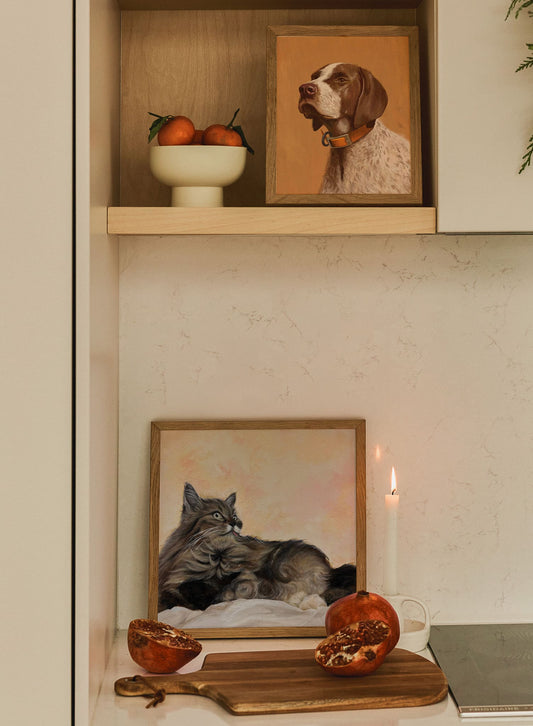
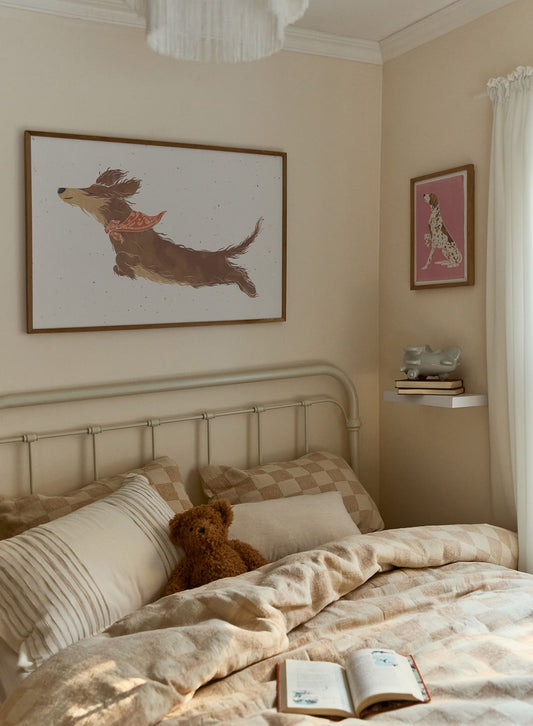
Mee Mee le chat des forêts norvégiennes, Affiche
Prix habituel À partir de CA$36.95Prix habituelPrix unitaire par -
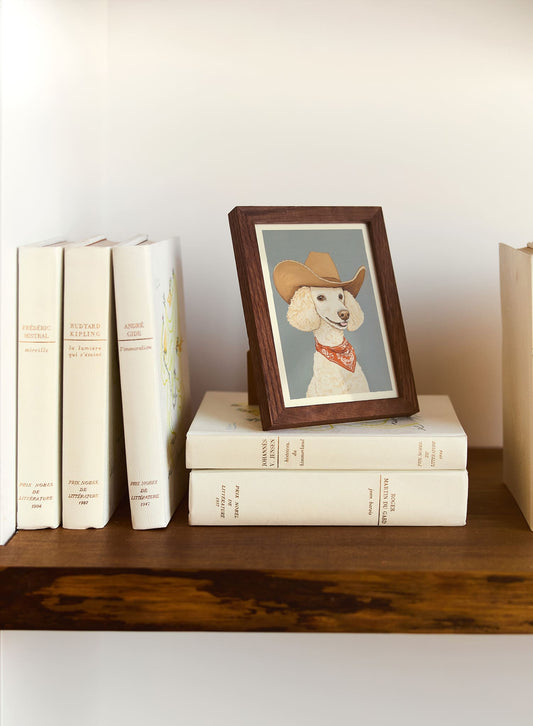
Dolly la Caniche, Affiche
Prix habituel À partir de CA$18.95Prix habituelPrix unitaire par -
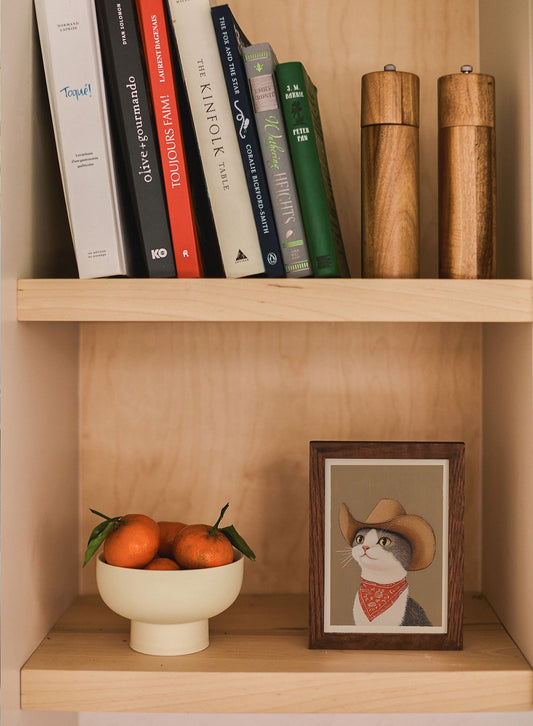
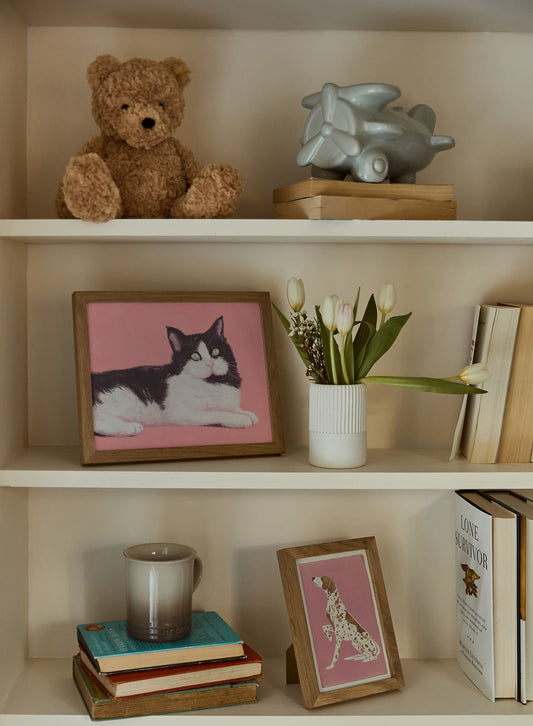
Bandit le Chat Bicolore, Affiche
Prix habituel À partir de CA$18.95Prix habituelPrix unitaire par -
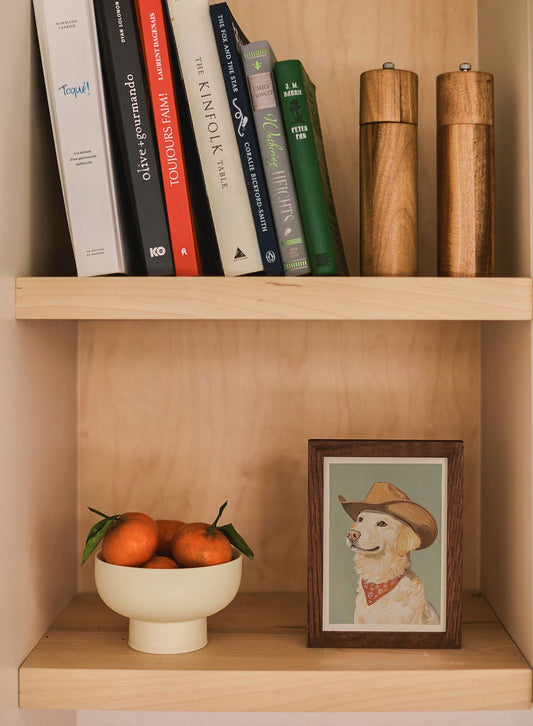
Ranger le Golden Retriever, Affiche
Prix habituel À partir de CA$18.95Prix habituelPrix unitaire par -
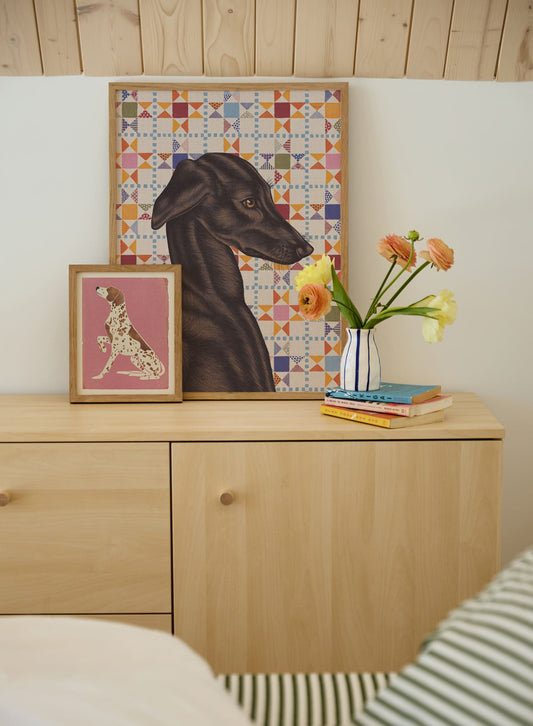
Georges le lévrier, Affiche
Prix habituel À partir de CA$18.95Prix habituelPrix unitaire par -
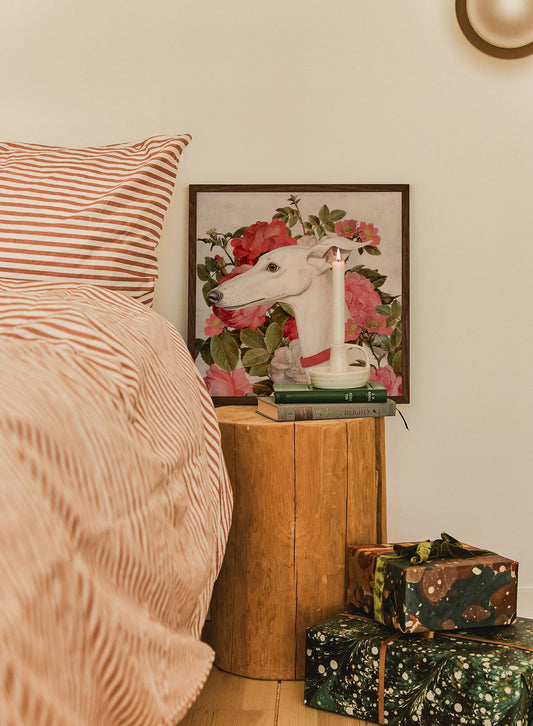
Rosie la Lévrière, Affiche
Prix habituel À partir de CA$36.95Prix habituelPrix unitaire par -
Bella le noir-et-blanc, Affiche
Prix habituel À partir de CA$18.95Prix habituelPrix unitaire par -
Ally le berger autralien, Affiche
Prix habituel À partir de CA$18.95Prix habituelPrix unitaire par -
Dave le teckel, Affiche
Prix habituel À partir de CA$18.95Prix habituelPrix unitaire par -
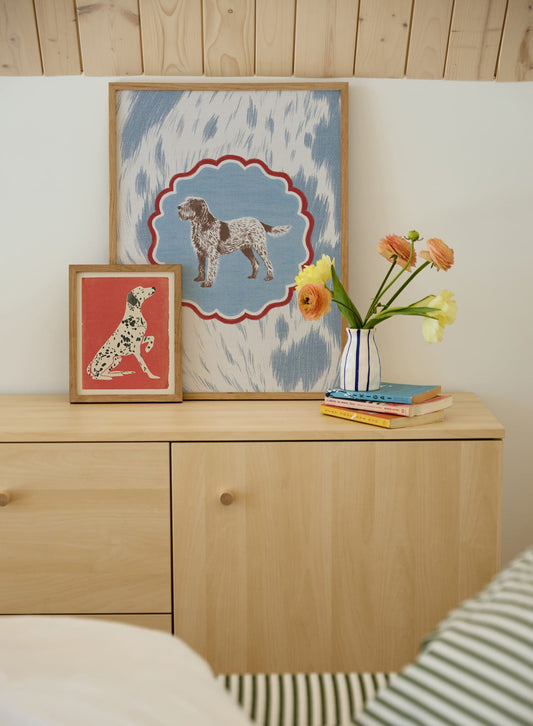
Bruno le spinone italiano, Affiche
Prix habituel À partir de CA$18.95Prix habituelPrix unitaire par










Why Are These Cows So Huge? The Strange Story of “Fat Cow Paintings”

Before Photography, Was Painting Supposed to Be Realistic?
One of the first things I learned about art history was that there was a “before” and “after” the camera.
The simplified version goes something like this: before photography, painters were expected to record the world as accurately as possible. Once photography arrived, artists were freer to move away from strict realism.
Like most neat art-history narratives, that’s only part of the story.
Artists in Western art certainly valued observation and technical accuracy, but paintings have never simply been photographs made with brushes. What appears on a canvas can tell us as much about a society’s values, ambitions and anxieties as it does about what something actually looked like.
Which brings us to the enormous cows.
*Pictured: Whistlejacket (c. 1762) by George Stubbs — a striking example of realism meeting artistic idealization, long before photography.

Meet the “Fat Cow Paintings”
Take "The Durham White Ox", painted by George Garrard and engraved by William Ward in 1813.
The animal is enormous: broad, square and almost impossibly substantial. And it isn’t alone.
British livestock portraits from the late 18th and early 19th centuries regularly show cattle, sheep and pigs with dramatically exaggerated proportions. The Museum of English Rural Life has affectionately described works like these as “fat cow paintings.”
Thomas Weaver’s 1833 "Prize Cattle in a Landscape" offers another memorable example. The cattle look almost architectural — enormous bodies balanced on comparatively tiny legs.
Were British artists suddenly terrible at anatomy?
Not exactly.
*Pictured: Prize Cattle in a Landscape (1833) by Thomas Weaver. With their enormous bodies and tiny legs, these prize animals are anything but ordinary. Image: Yale Center for British Art, via Wikimedia Commons (Public Domain).

Animals in Art Were Never Just Animals
To understand these paintings, it helps to remember that realism was never the only thing artists cared about.
Consider Jan van Eyck’s *Arnolfini Portrait*. The small dog at the couple’s feet is often interpreted as a symbol of fidelity — an especially fitting detail in a painting centred on marriage, status and domestic life.
Or look at Dutch flower paintings. A bouquet could be spectacularly detailed while also carrying layers of meaning about wealth, rarity and mortality. Wilting petals, damaged leaves and signs of decay could remind viewers that beauty and life are temporary.
So when something in an old painting looks strange, the right question is not always:
“Why couldn't they paint this accurately?”
Sometimes the better question is:
“What were they trying to communicate?”
*Pictured: The Arnolfini Portrait (1434) by Jan van Eyck. The little dog at the couple's feet is often interpreted as a symbol of fidelity. Collection: The National Gallery, London. Image: Wikimedia Commons (Public Domain).

So Why Were the Cows So Huge?
The answer has a lot to do with agriculture.
Livestock portraiture developed alongside major changes in British farming and selective breeding. Breeders were working to produce larger, heavier and more productive animals, and an exceptionally impressive cow or ox could become a source of genuine prestige.
Size meant more than size.
Food and abundance
Britain lived through periods of war, population growth and concern over food supply. A large, healthy animal represented productivity and abundance.
A very fat cow wasn't simply visually impressive. It suggested plenty.
Wealth and status
Many farms belonged to wealthy landowners, and livestock breeding could be a gentleman’s pursuit.
Commissioning a portrait of an extraordinary animal was one way to advertise the success of an estate and the skill — and resources — behind it.
Think of it as part agricultural record, part advertisement and part bragging rights.
Innovation and selective breeding
Agricultural improvement was transforming livestock.
Breeders deliberately selected animals for desirable traits, and extraordinary specimens became evidence that these new methods were working.
A prize animal could therefore represent progress as much as prosperity.
*Pictured: The Durham White Ox (1813), mezzotint by William Ward after George Garrard. This celebrated image reflects how prized livestock could symbolize abundance, status and agricultural progress.

When a Cow Painting Became an Advertisement
Some livestock paintings and prints even included the animal’s measurements and weight.
*The Durham White Ox*, for example, was accompanied by detailed physical statistics. Viewers weren't merely admiring a picture; they could compare the animal with livestock of their own.
The artwork functioned almost like an agricultural résumé.
So the exaggerated proportions make more sense when we stop looking at these works simply as portraits.
The animal had become a symbol of successful breeding, abundance, wealth and innovation.
The bigger the cow looked, the more impressive the message.
*Pictured: The Durham Ox (1802), engraved by John Whessell after John Boultbee. Complete with measurements and an impressive estimated weight, this print was as much a showcase of agricultural achievement as a work of art.

Art Shows Us More Than What Things Looked Like
That is what makes these wonderfully strange paintings so interesting.
At first glance, they can look almost absurd. But their exaggerated animals tell us something very real about the society that produced them: what people valued, what they were proud of and what they wanted other people to see.
A cow isn't always just a cow.
Sometimes it's an advertisement, a status symbol and a technological achievement — all standing on four surprisingly tiny legs.
And if all this animal art has made you want something with a little more personality on your own walls, explore Opposite Wall’s animal-inspired art and our collection celebrating cats and dogs.
*Pictured: A Sow in the Straw (c. 1820–1840) by Stephen Jenner. Even the humblest farm animal could become a subject worthy of a portrait. Image: Wellcome Collection (Public Domain).


